News
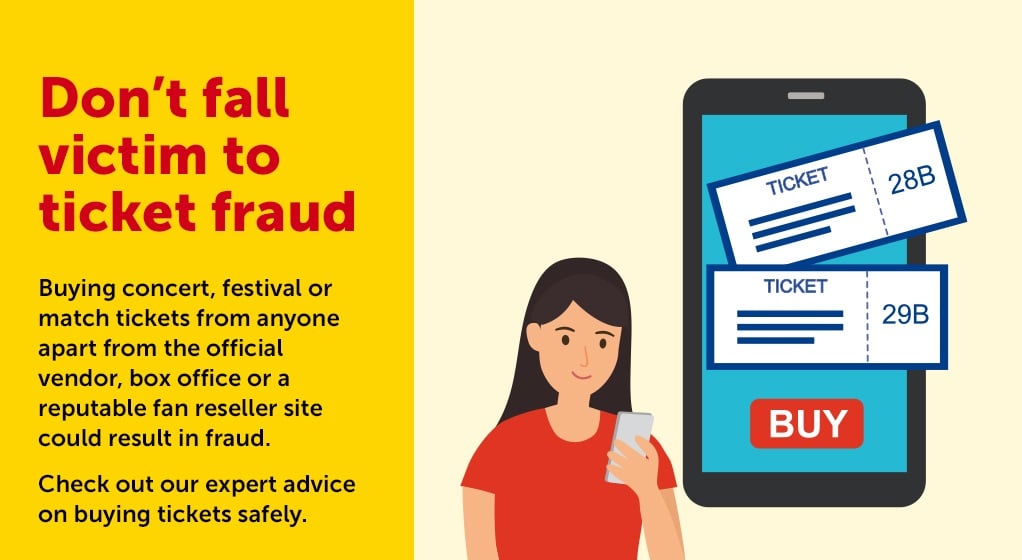
Airbnb and Get Safe Online help raise awareness of holiday scams
10 April 2024

We'll help you stay online with safety and confidence.
Subscribe to PROTECT! for the latest news, views and advice.
Determine whether a website is likely to be legitimate or a scam … before you visit it.

Register to receive Neighbourhood Alerts.

Demonstrate your commitment to online safety and gain many exclusive benefits.

See where we have Get Safe Online websites in other countries..

Blog
The City of London Police - the UK's police for economic crime - have advised us that they have received a number of reports about a scam linked to...
3 January 2024
Blog
Christina and Martin Trim have been dairy farming in North Dorset since 1991. Their herd of Holstein Friesian cattle numbers approximately 300...
12 October 2023
Blog
The imminent expansion of London’s Ultra Low Emission Zone (ULEZ) is not the only aspect of the scheme to have hit the news recently. We have...
7 August 2023
Our website is a unique resource providing practical advice on how to protect yourself, your computers and mobile devices and your business against fraud, identity theft, viruses and many other problems encountered online. It contains guidance on many other related subjects too – including performing backups and how to avoid theft or loss of your computer, smartphone or tablet.
Read more about who we are
Get Safe Online has a presence in 24 countries around the world. Each country benefits from its own Get Safe Online website, customised to deliver the best and most relevant experience for individuals and businesses. Many of the countries also have a community of Get Safe Online Ambassadors and Advocates working on our behalf.
Read more about our International Sites